Competition
Things I Didn’t Dare to Say, and It’s Too Late Now // Kamilė Gudmonaitė, Dominykas Digimas, Barbora Šulniūtė, Lithuanian National Drama Theatre, Lithuanian National Opera & Ballet Theatre & Operomanija Lithuania
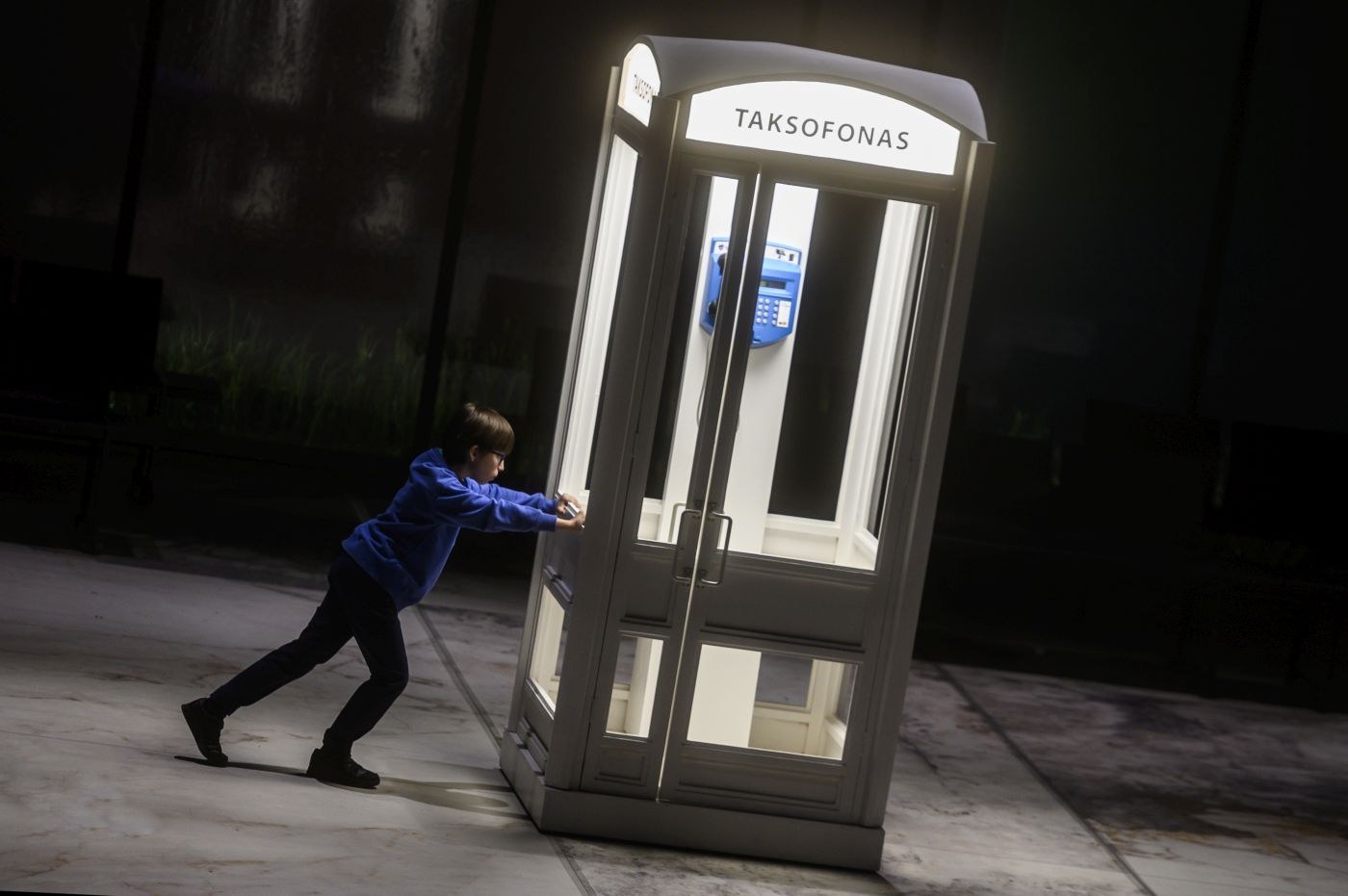
The story behind Things I Didn’t Dare to Say, and It’s Too Late Now is disarmingly simple. In 2010, a man in Otsuchi, Japan, built a disconnected phone in his garden so that he could continue to speak to a cousin who had died. After the 2011 tsunami, neighbours began visiting to call their own dead. More than a decade later, a similar booth appeared beside the Lithuanian National Opera and Ballet Theatre in Vilnius. There was no advertisement beyond a quiet invitation to pick up the receiver and speak to someone you could no longer reach.
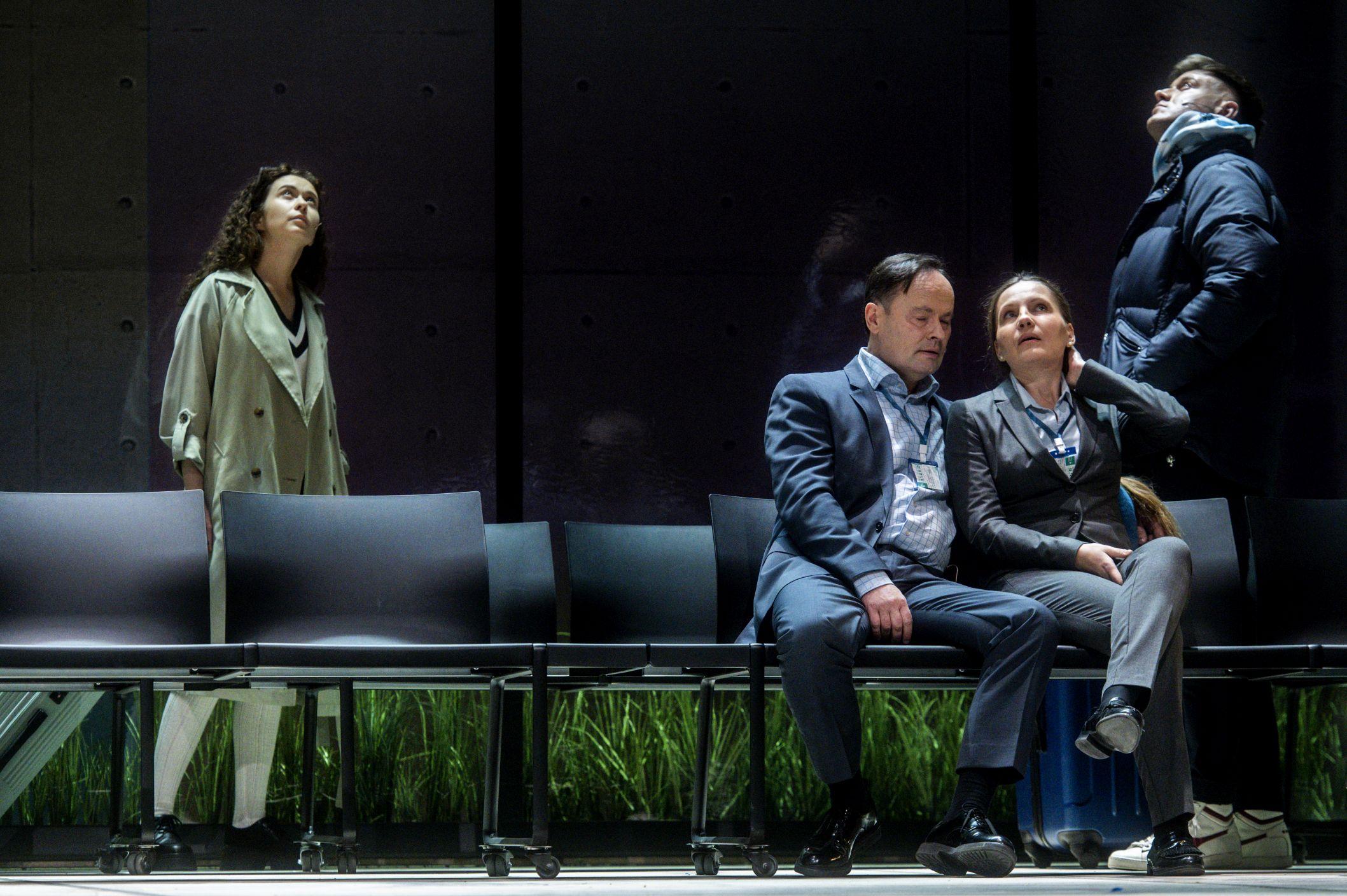
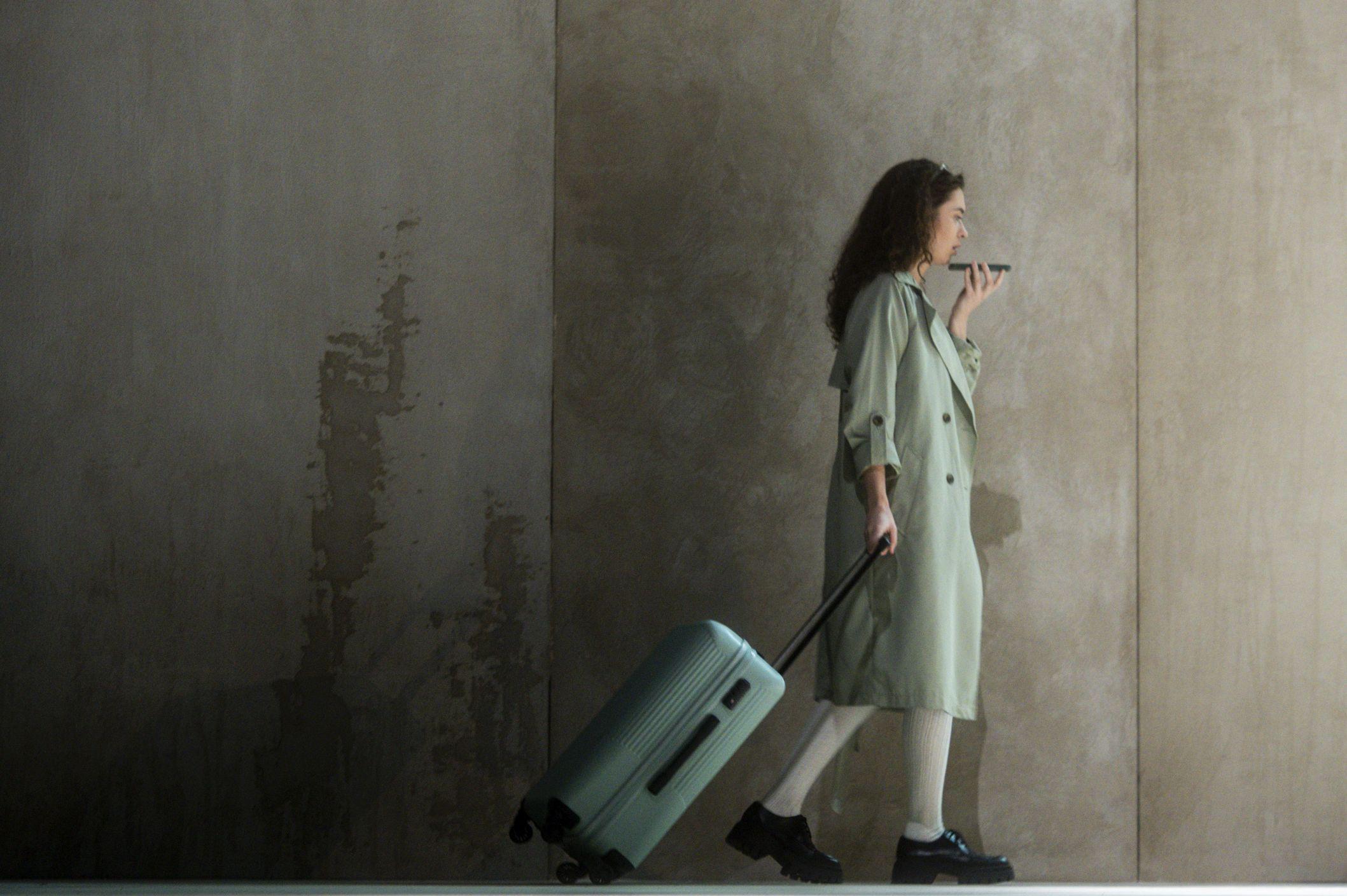
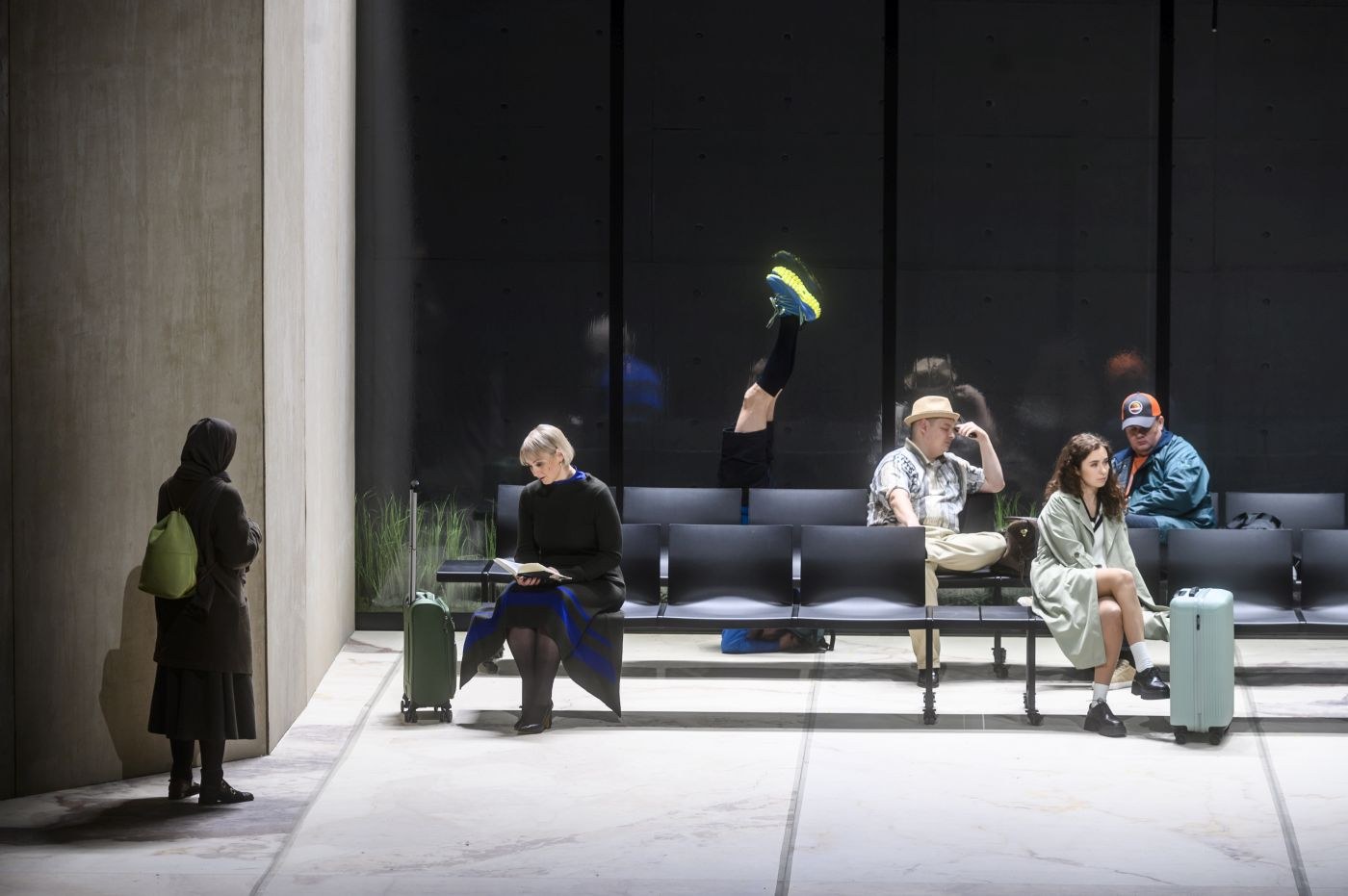
Over six months, the phone rang roughly four thousand times. People called parents, lovers, children, strangers. They apologised, accused, remembered, joked, or failed to speak at all. These recordings became the raw material for a new opera. Director and dramaturge Kamilė Gudmonaitė and composer Dominykas Digimas, together with an extensive team of designers and performers, built a large-scale work around this fragile core. On stage, a full orchestra, choir, dancers, actors and non-professional performers animate a world in which the phone booth is both object and portal, a device that links the monumental machinery of a national theatre to the trembling intimacy of individual voices.
The score treats the testimonies with care. Rather than illustrating each call literally, the music responds to their emotional weather. Fragments of speech are sampled, layered and echoed by choir and instruments, creating a polyphony that feels at once documentary and dreamlike. The staging moves between everyday images and more abstract tableaux, but it never drifts far from the simple act of picking up the receiver. One of the most striking decisions is the inclusion of non-professional performers, including nudists and a Japanese man, on stage alongside trained singers and actors. Their presence quietly shifts the hierarchy of who gets to embody grief in such an institution.
For the jury, the production’s power lay in this negotiation between scale and intimacy. The piece uses the full resources of two national theatres yet keeps returning to a single small space, that glass cabin where someone stands alone with a plastic handset and too many words. The opera recognises the geographical reach of grief, crossing languages and borders, while remaining anchored in the specific histories of Japan and Lithuania. It is both local ritual and global echo.
What could have been sentimental is instead clear-eyed and spacious. The work does not ask us to feel one thing. It allows anger, regret, humour and quiet reconciliation to sit side by side. In doing so, it reframes mourning as an ongoing conversation rather than a closed chapter. The jury described it as profoundly human, subtle and unexpectedly hopeful, a reminder that opera’s grand machinery can still be turned toward the most fragile of human acts, which is to speak when you are no longer sure anyone is listening.
Things I Didn’t Dare to Say, and It’s Too Late Now begins with a telephone booth and ends with a community. Inspired by the Japanese “wind phone”, the creators installed a booth outside the Lithuanian National Opera and Ballet Theatre and invited passers-by to call the dead, or the living, with words they never managed to say.
Over six months, thousands of calls were recorded and transformed into a libretto that turns private grief into a collective music theatre experience.
Director and dramaturge
Kamilė Gudmonaitė
Composer
Dominykas Digimas
Set design and video concept
Barbora Šulniūtė
Choreography
Mantas Stabačinskas
Costume design
Juozas Valenta
Light design
Julius Kuršys
Video design
Jurgis Lietunovas
Music director and conductor
Ričardas Šumila
Choirmaster
Povilas Butkus
Director’s assistants
Agnė Ambrozaitytė
Kotryna Siaurusaitytė
Deivydas Valenta
Translator
Erika Lastovskytė
Producers
Lithuanian National Drama Theatre
Lithuanian National Opera and Ballet Theatre
Operomanija